
August 14, 2025 | By admin
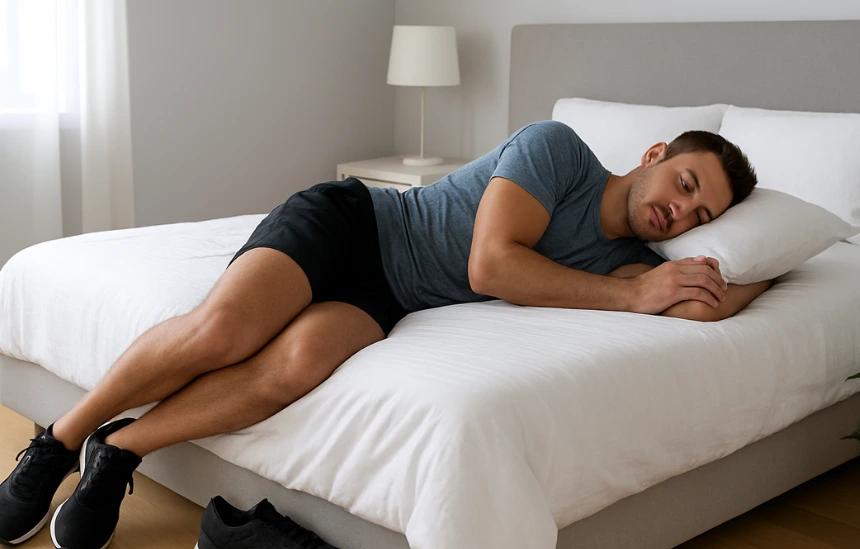
When we think of what makes a great athlete—discipline, training, nutrition, and mental strength usually top the list. But one of the most crucial, often underestimated tools for peak athletic performance is good rest and rejuvenation. For athletes, sleep isn’t just a time to rest—it’s a time to restore, rejuvenate, and repair. Prioritizing sleep hygiene for athletes is just as essential as strength training or nutrition. Without quality rest, the body and mind simply cannot perform at their best.
While we sleep, the body transitions into vital stages of recovery and repair. Growth hormone is released, aiding in muscle repair and tissue regeneration—vital for athletes who push their bodies to the limit daily. A study conducted by Stanford University revealed that basketball players who increased their sleep to 10 hours per night showed significant enhancements in their sprint speed and shooting precision.
These findings highlight the critical role sleep plays in enhancing athletic performance.
Conversely, athletes who lack sufficient sleep tend to have delayed reaction times, reduced precision, and a higher risk of injuries. In competitive sports, even small declines can be game-changing.
Beyond the physical benefits, sleep also plays a key role in mental clarity, emotional control, and decision-making. REM sleep—where dreams occur—enhances memory, focus, and tactical awareness. For athletes, this means better play recall, smarter game-time decisions, and improved emotional resilience. Imagine a tennis player trying to strategize after only four hours of sleep, or a marathon runner pushing through exhaustion with no restorative rest—it’s a direct path to poor performance and mental burnout.
This is where best sleep practices for athletes come into play. Healthy sleep hygiene involves sticking to a regular sleep routine, minimizing screen time and stimulants before bed, and setting up a sleep-friendly space that is dark, cool, and quiet.
Healthy sleep hygiene involves sticking to a regular sleep routine, minimizing screen time and stimulants before bed, and setting up a sleep-friendly space that is dark, cool, and quiet.
But perhaps the most overlooked aspect is the mattress for athletes.
The right sports mattress for recovery can significantly impact sleep quality. Athletes typically have more muscle mass, meaning they exert more pressure on their sleep surfaces. A poorly chosen mattress can lead to discomfort, poor spinal alignment, and restless nights. A mattress for athletes should offer pressure relief, responsive support, and durability. Memory foam models are excellent for body contouring, while hybrid mattresses provide a balance between firmness and comfort. Cooling gels or breathable materials are especially beneficial for maintaining optimal temperature through the night—an important factor in sleep optimization for athletes.
For instance, a swimmer who trains for a couple of hours in a day. Their shoulders, hips, and spine experience constant strain. A firm yet adaptive mattress can reduce pressure on these areas, enabling them to wake up refreshed. Similarly, a football player recovering from an ankle sprain will heal faster when supported by a mattress that alleviates swelling and supports joint alignment.
In the end, sleep is not a luxury for athletes—it’s a discipline and a strategic advantage. It’s the silent partner that amplifies training results, accelerates recovery, and sharpens focus. By combining disciplined sleep hygiene for athletes with a mattress tailored to their physical needs, sports professionals can elevate their performance, prevent burnout, and extend their careers. Because in the world of sports, success isn’t just built on the field or in the gym—it’s built on a solid, supportive night’s sleep.
Leave a Reply